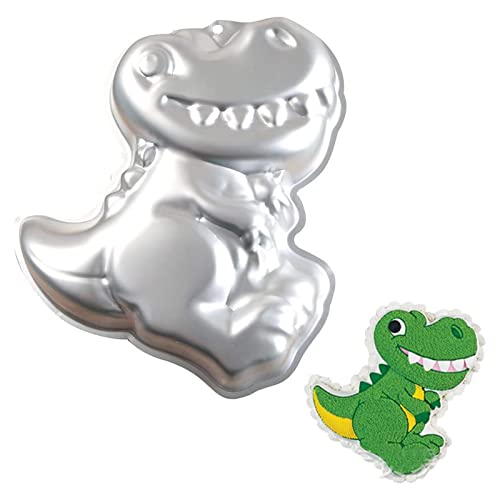
Silicone vs Metal Cake Moulds Comparison for 2026
As baking enthusiasts continue to evolve their craft, the choice between silicone and metal cake moulds remains a pivotal decision. In 2026, both options bring unique benefits that cater to various baking styles and preferences. Understanding the characteristics of each material is crucial for achieving the desired results in your baked goods. This article delves into the essential aspects of silicone and metal cake moulds, providing insights that can enhance your baking experience.
Understanding Silicone Cake Moulds
Silicone cake moulds have gained immense popularity due to their flexibility and non-stick properties. In 2026, they are widely available in various shapes and sizes, making them versatile for creative baking projects. One major advantage of silicone moulds is their ability to withstand extreme temperatures, ranging from freezing to baking. This characteristic makes them ideal for both baked desserts and frozen treats, allowing bakers to experiment freely.
Another significant benefit of silicone moulds is their ease of use. They can be simply bent or twisted to release cakes without the need for greasing, which is particularly advantageous for intricate designs. In practical scenarios, a baker creating a layered cake can effortlessly remove each layer from a silicone mould, preserving the cake's shape and ensuring a smooth finish. Additionally, silicone moulds are lightweight and easy to clean, making them a preferred choice for many home bakers.
Durability and Longevity of Silicone Moulds
In 2026, the durability of silicone moulds has improved significantly compared to earlier versions. High-quality silicone can endure regular use without warping or degrading. However, it is essential to choose food-grade silicone that is BPA-free to ensure safety and quality. Some bakers have reported that certain lower-quality silicone moulds can retain odors or colors from baked goods, which can affect future uses. Therefore, investing in reputable brands is crucial for long-lasting performance.
People Also Look For:
- 12pcs Cake Decorating Tools, Fondant Tools, Various Sizes Cake Modeling Tools, Fondant Tools, Polymer Clay Tools for Pottery Sculp...
- WEKADRIN Number 3 Cake Mould Tin Aluminum Alloy Non-Stick 31.8x20.2x4.9cm Metal Cake Pan for Birthday Party and Anniversary 3D Bak...
- GALPADA Aluminum Alloy Cake Pan Nonstick Number Mold for Baking Birthday Anniversary Party Heat Conductive Cake Mould Easy Clean a...
- Yctze Double Taiyaki Fish Shaped Cake Maker, Non-Stick Mini Waffle Baking Pan, Electric Japanese Korean Pancake Mould for Kids & P...
- Mikikit 3D Number Cake Pan Aluminum Alloy Baking Mold 31.8x20.2x4.9cm Non-Stick Metal Number Cake Mould for Birthday Party Wedding...
Exploring Metal Cake Moulds
Metal cake moulds, traditionally made of aluminum or stainless steel, continue to be a staple in the baking world in 2026. They are known for their excellent heat conductivity, which allows for even baking and consistent results. Metal moulds are particularly favored for recipes that require precise baking times, such as cheesecakes or sponge cakes. The ability to develop a golden crust is another reason bakers often prefer metal over silicone.
One of the key features of metal moulds is their durability. In 2026, many metal moulds are designed to withstand high temperatures without warping, making them a long-term investment. Proper care, such as avoiding abrasive cleaners and storing them correctly, can significantly extend their lifespan. Additionally, metal moulds are often heavier than their silicone counterparts, which provides stability during the mixing and pouring processes.
Maintenance and Care for Metal Moulds
Maintaining metal cake moulds requires specific care to ensure they remain in optimal condition. It is advisable to hand wash them instead of using a dishwasher, as high heat and harsh detergents can damage the finish. In scenarios where a cake has stuck to the metal surface, bakers can use parchment paper or a light coating of butter or oil to prevent sticking. This method is especially useful for delicate cakes that may break apart when removed.
Comparing Baking Results and Performance
The performance of silicone and metal cake moulds can vary significantly depending on the type of cake being baked. In 2026, bakers are encouraged to consider the nature of their recipes when choosing between the two. For denser cakes, such as pound cakes, metal moulds are often preferred for their ability to provide a well-baked exterior. In contrast, silicone moulds excel with lighter cakes or those requiring intricate designs due to their non-stick properties.
Bakers experimenting with layered cakes may find that silicone moulds allow for easier assembly, as the flexibility aids in removing layers without damaging them. Conversely, bakers aiming for a classic baked texture may lean towards metal moulds for their superior heat conduction and browning capabilities. Conducting side-by-side tests can help bakers assess which mould type delivers the best results for their specific recipes.
Temperature Considerations in Baking
Temperature plays a critical role in baking, influencing the outcome of the cake. In 2026, bakers should be aware that while silicone moulds can handle a broader temperature range, they may require adjustments in baking time. Cakes baked in silicone may take slightly longer to cook through compared to those in metal moulds. This is due to the insulating properties of silicone, which can affect heat distribution. Therefore, keeping a close eye on baking times and using a toothpick test for doneness is advisable.
Cost and Availability of Cake Moulds
When considering budget constraints, the cost of silicone versus metal cake moulds can vary. In 2026, silicone moulds are generally more affordable and widely available in various stores and online platforms. However, investing in high-quality metal moulds can yield significant value over time due to their durability and performance. Selecting the right moulds often comes down to personal preference and baking goals.
Many bakers recommend starting with a few essential shapes in both silicone and metal. This approach allows for flexibility in baking projects, catering to different recipes and occasions. For instance, a round metal cake mould is ideal for classic cakes, while a silicone mould can be perfect for creative desserts. By mixing both types in their kitchen arsenal, bakers can maximize their baking potential.