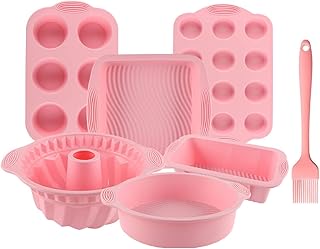
bake off the best silicone versus metal cake moulds reviewed
When it comes to baking, the right cake mould can make all the difference. In 2026, bakers are faced with a variety of options, primarily silicone and metal cake moulds. Each type has its own unique advantages and potential drawbacks. This review aims to dissect the features of both mould types, helping you make an informed decision for your baking needs.
Silicone Cake Moulds
Silicone cake moulds have surged in popularity due to their versatility and ease of use. Typically made from food-grade silicone, these moulds can withstand a wide range of temperatures, from -40°C to 230°C, making them perfect for both baking and freezing. One of the most notable advantages of silicone moulds is their non-stick properties. Cakes release effortlessly, reducing the need for additional greasing and dramatically simplifying the cleaning process.
Another significant benefit is the flexibility of silicone. You can easily fold and twist these moulds to remove your baked goods without the risk of breaking them. This is particularly advantageous for intricate designs or delicate cakes. Additionally, silicone moulds come in a variety of shapes and sizes, allowing for creativity in your baking projects.
However, there are some drawbacks to consider. Silicone can sometimes lead to uneven baking due to its insulating properties, which can result in cakes that are cooked on the outside but slightly undercooked in the centre. To counter this, it is often recommended to place silicone moulds on a baking tray for added support during the baking process.
People Also Look For:
- 2 Pcs Cake Smoother, Cake Decorating Tools, Icing Smoother, Fondant Tools, Flat Edge Cake Smoother,Fondant Cake Smoother Polisher ...
- Baluue 3D Number 3 Cake Pan Aluminum Alloy Baking Mold Non-Stick Small Number Cake Mould for Birthday Party Wedding Anniversary 31...
- ULTECHNOVO Nonstick Number Cake Mold Aluminum Alloy DIY Baking Pan for Birthday Anniversary Party Cake Mould with Easy Release Ver...
- Yctze Double Taiyaki Fish Shaped Cake Maker, Non-Stick Mini Waffle Baking Pan, Electric Japanese Korean Pancake Mould for Kids & P...
- WEKADRIN Number 3 Cake Mould Tin Aluminum Alloy Non-Stick 31.8x20.2x4.9cm Metal Cake Pan for Birthday Party and Anniversary 3D Bak...
Metal Cake Moulds
Metal cake moulds, typically made from aluminium or stainless steel, are the traditional choice for bakers and for good reason. They conduct heat efficiently, resulting in more even baking and beautifully browned crusts. Metal moulds are particularly excellent for recipes that require precise temperature control, such as sponge cakes or cheesecakes.
Durability is another strong point for metal moulds. With proper care, they can last for years, making them a worthwhile investment for serious bakers. They are also generally less expensive than silicone counterparts and can withstand higher baking temperatures without any issues.
However, metal moulds do come with some downsides. They are not non-stick, unless they are coated, meaning you will need to ensure proper greasing before adding your batter. This can add an extra step to your baking routine. Additionally, metal moulds can often be heavier and less flexible, making them more challenging to handle, particularly when filled with batter.
Practical Advice for Choosing the Right Mould
When deciding between silicone and metal cake moulds, consider your baking habits and preferences. If you bake frequently and enjoy experimenting with various shapes, silicone moulds might be your best bet. They provide flexibility and ease of use that can make baking more enjoyable.
On the other hand, if you are focused on precision and consistency, particularly for recipes that require a perfect rise, metal moulds could be the way to go. They are particularly suitable for layered cakes or complex designs that need a firm structure during baking.
Ultimately, many bakers find that having a combination of both silicone and metal moulds in their kitchen arsenal provides the best of both worlds. This allows for experimentation while ensuring reliable results.