Choosing Moulds That Fit Your Baking Style
As we embrace the culinary innovations of 2026, selecting the right baking moulds has never been more crucial for both amateur and professional bakers. The right mould can significantly influence the texture and appearance of your baked goods. In this article, we will explore various mould options available today, helping you to align your choices with your unique baking style and needs. Whether you prefer traditional techniques or modern adaptations, understanding the characteristics of different moulds can enhance your baking experience.
Understanding Different Types of Baking Moulds
In 2026, the market offers a diverse range of baking moulds, each designed to serve specific purposes. Knowing these types can help you decide which moulds to invest in. Let's delve into some popular options:
Silicone Moulds
Silicone moulds have surged in popularity due to their flexibility and non-stick properties. These moulds are ideal for intricate designs such as cakes and pastries, as they allow for easy removal without damaging your creations. In 2026, advancements in silicone technology have made these moulds more durable and heat resistant, suitable for various oven temperatures.
- Benefits of silicone moulds include easy cleaning and versatility.
- They can be used for baking, freezing, and even microwave cooking.
When using silicone moulds, it is essential to place them on a baking sheet for stability, especially when filled with batter. For instance, if you are preparing a delicate chocolate mousse cake, a silicone mould can help you achieve a perfect finish without hassle.
Metal Moulds
Metal moulds, particularly those made from aluminum or stainless steel, are favored for their ability to conduct heat efficiently. This characteristic results in even baking and browning, making them suitable for breads and pastries. In 2026, many baking enthusiasts appreciate the longevity of metal moulds, as they can withstand high temperatures without warping.
- Aluminum moulds are lightweight and heat up quickly.
- Stainless steel moulds provide superior durability and resistance to rust.
Consider using a metal mould for baking a classic loaf of bread. The even heat distribution will ensure a perfect crust while maintaining a soft interior. Additionally, metal moulds are often available in various shapes and sizes, catering to different baking needs.
People Also Look For:
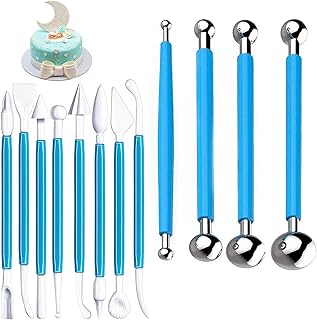
- 12pcs Cake Decorating Tools, Fondant Tools, Various Sizes Cake Modeling Tools, Fondant Tools, Polymer Clay Tools for Pottery Sculp...
- Silver-Stage Dino Baking Mould Red Cake Mould for Baking Children\'s Birthday Party Silicone Mould for Cake Ice Cream Chocolate Br...
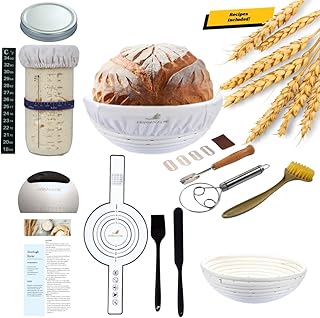
- Sourdough Starter Kit Bread Baking Supplies 9 Inch Round Banneton Bread Proofing Basket with Dough Scraper Bread Lame Basket Cover...
- Mermaid Theme Silicone Baking Molds, 4 Pcs Fondant Cake Moulds, DIY Marine Silicone Mould Set, Mermaid Tail Mould, Seashell Mould,...
- HOODANCOS Nonstick Aluminum Number Cake Pan Mold Lightweight DIY Baking Tool for Birthday Anniversary Parties Creative Cake Mould ...
Choosing Moulds Based on Your Baking Style
Your baking style plays a significant role in determining the type of moulds you should choose. For instance, if you often experiment with novelty cakes, investing in shaped silicone moulds can yield impressive results. Conversely, if you prefer traditional baking, round or square metal moulds may be more suitable.
Casual Baking Enthusiasts
If you bake occasionally for family and friends, you might prefer versatile moulds. Silicone and non-stick metal moulds provide flexibility and ease of use, allowing you to create a variety of treats without investing in specialized equipment.
For instance, a non-stick muffin tin is perfect for baking a batch of blueberry muffins for a weekend brunch. Its easy release properties will make cleanup a breeze.
Professional Bakers
For professionals, investing in high-quality moulds is crucial. Durable metal moulds can withstand frequent use while providing consistent results. Additionally, specialized moulds for specific pastries can enhance presentation and creativity.
Consider using a tart pan with a removable bottom for exquisite tarts and quiches. This 2026, many professional bakers emphasize the importance of using the right tools to achieve culinary excellence.
Material Considerations When Choosing Moulds
When selecting baking moulds, the material should align with your baking goals. Each material has unique properties that affect the baking process. Here are some key considerations:
Non-Stick Coatings
Non-stick coatings on metal moulds can enhance your baking experience by preventing food from sticking. However, it is essential to use non-metal utensils to preserve the coating. In 2026, many manufacturers offer eco-friendly non-stick options that are safe and effective.
For example, a non-stick round cake pan ensures that your freshly baked chocolate cake slides out effortlessly, retaining its shape and texture.
Durability and Maintenance
Investing in durable moulds can save you money in the long run. Metal moulds, if cared for properly, can last a lifetime. Silicone moulds should be kept away from sharp objects to prevent cuts and damage. In 2026, baking enthusiasts are increasingly prioritizing sustainability and longevity in their baking tools.
For regular bakers, a well-maintained set of moulds can support a variety of baking projects, from celebratory cakes to everyday treats.
Conclusion
As you explore the world of baking in 2026, understanding the various moulds available will empower you to make informed decisions tailored to your baking style. The right mould can transform your baking experience, leading to impressive results and delightful creations. By considering the material, type, and your specific baking needs, you can ensure that your choices enhance your culinary adventures. The journey of baking is as much about the tools you use as it is about the recipes you follow, making the selection of the right moulds a vital step in your baking journey.