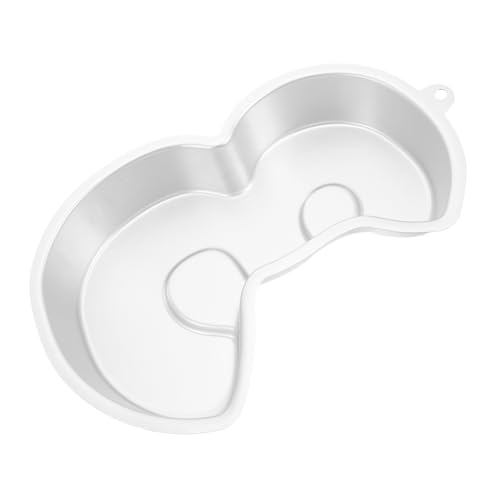
cleaning and preserving your cake moulds for perfect results
When it comes to baking, the right tools can make all the difference. Cake moulds, whether they are made from silicone, metal, or ceramic, are essential for achieving that perfect shape and texture. However, neglecting their care can lead to unsatisfactory results, such as sticking, uneven baking, or even damage to the mould itself. In this guide, we will explore effective strategies for cleaning and preserving your cake moulds, ensuring that they remain in top condition for all your baking needs.
Understanding Your Cake Moulds
Before diving into the cleaning process, it is important to understand the different types of cake moulds and their specific care requirements. Silicone moulds are flexible and non-stick, making them easy to clean but sensitive to high temperatures. Metal moulds, often made of aluminium or stainless steel, are sturdy and conduct heat well but may require additional care to prevent rusting. Lastly, ceramic moulds are beautiful and provide excellent heat distribution but can chip or crack if not handled properly.
Cleaning Your Cake Moulds
Regardless of the material, cleaning your cake moulds after each use is crucial. Here are some practical steps for each type:
Silicone Moulds: After allowing your silicone mould to cool completely, gently press the mould to release any leftover cake. Wash the mould in warm soapy water using a soft sponge. Avoid abrasive cleaners that could scratch its surface. Rinse thoroughly and allow it to air dry. If there are stubborn stains, a paste of baking soda and water can help lift the residue.
People Also Look For:
- SAFIGLE Cake Pan Aluminum Alloy Non-Stick Baking Mold for Even Heat Distribution and High Temperature Resistance Easy Clean Number...
- SASONS ® Kids Baking Set- 17PCS BAKEWARE Set for Boys and Girls Cupcake Moulds Cookies Baking Cups Pastry Brush Spatula Whis...
- Homoyoyo Nonstick Aluminum Number Cake Mould Pan for DIY Baking Even Heat Distribution Easy Release Birthday Anniversary Party Bak...
- Kitchen Baking Gadget Cake Moulds Cake Baking Pans Cake Pans Bread Baking Trays Dinosaur Shaped Aluminum Alloy
- MHADBKH Cake Moulds Baking Mold Cake Baking Pan Bread Baking Tray Aluminum Alloy Dinosaur Shape Kitchen Baking Supplies
Metal Moulds: For metal moulds, it is best to remove any excess cake immediately while it is still warm. Soak the mould in warm soapy water for about 15 minutes to loosen any baked-on bits. Use a non-abrasive sponge to clean, then rinse and dry fully. Regularly inspect your metal moulds for any signs of rust and treat them with a light coating of vegetable oil to prevent oxidation.
Ceramic Moulds: Ceramic moulds require a more gentle approach. Allow the mould to cool before washing it with warm, soapy water and a soft cloth. Avoid soaking ceramic moulds for prolonged periods as this can weaken the adhesive used in some decorative pieces. Dry thoroughly after washing to prevent moisture from seeping into the material.
Preserving Your Cake Moulds
In addition to regular cleaning, preserving your cake moulds is vital for longevity. Here are some tips to ensure they remain in excellent condition:
Store your moulds properly by avoiding stacking them directly on top of one another, which can lead to damage. Instead, use a protective layer such as cloth or paper towel between moulds to prevent scratches.
For silicone moulds, avoid exposing them to extreme temperatures or direct sunlight, which can affect their flexibility. Keep them in a cool, dry place away from sharp objects that might puncture or tear them.
Metal moulds should be stored in a dry environment to avoid moisture, which can lead to rust. If you notice any rust forming, sand it lightly with fine grit sandpaper and reapply a coat of vegetable oil to protect the surface.
Ceramic moulds should be handled with care to avoid chips and cracks. When washing, be sure to use non-abrasive sponges and avoid sudden temperature changes, as this can cause thermal shock.