Essential Guide to Choosing the Right Cake Moulds for Baking
Baking a cake can be a delightful experience, but the choice of cake moulds can significantly impact the final product. With so many options available, it is essential to understand which type of mould will best suit your baking requirements. In this guide, we will explore the different types of cake moulds, their materials, and how to choose the right one for your baking adventures.
Types of Cake Moulds
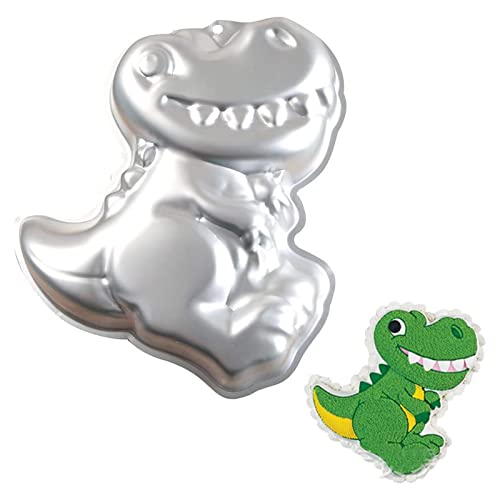
When it comes to cake moulds, the options are vast. The most common types include round, square, rectangular, and novelty shapes. Round moulds are versatile and perfect for layer cakes, while square and rectangular moulds are ideal for sheet cakes or brownies. Novelty shapes, such as hearts or stars, add a fun twist for special occasions.
Materials Matter
The material of your cake mould can profoundly affect the baking process. Here are the most popular materials:
People Also Look For:
- Homoyoyo Aluminum Number 3 Cake Mold 31.8x20.2x4.9cm Nonstick Large Size Metal Baking Pan for Birthday Anniversary Party DIY Creat...
- Veemoon Cake Pan Aluminum Alloy Nonstick Baking Mold Birthday Wedding Party Cake Mould for Easy Release and Performance
- Acidea Nonstick Silicone Bakeware Set, 7pcs Baking Cake Pan, Economical BPA Free Heat Resistant Bakeware Suppliers Tools Kit with ...
- BESPORTBLE Aluminium Alloy Number 3 Cake Pan 31.8x20.2x4.9 CM Nonstick Metal Baking Mold for Birthday Wedding Anniversary DIY Cake...
- Mermaid Theme Silicone Baking Molds, 4 Pcs Fondant Cake Moulds, DIY Marine Silicone Mould Set, Mermaid Tail Mould, Seashell Mould,...
- Metal: Often made from aluminium or steel, metal moulds are excellent conductors of heat, ensuring even baking. Look for non-stick coatings to prevent sticking.
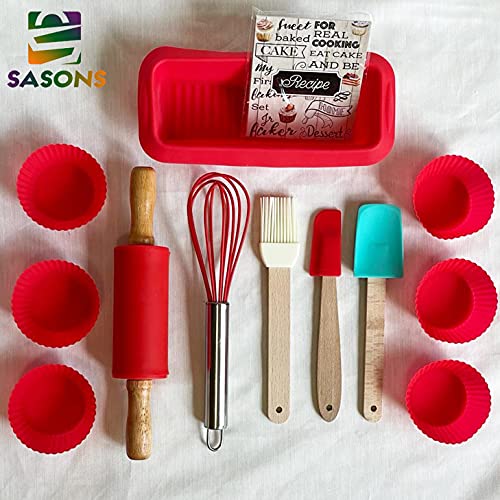
- Silicone: Silicone moulds are flexible and non-stick, allowing for easy removal of cakes. They are perfect for intricate designs, but ensure they are sturdy enough to hold the batter.
- Glass: Glass moulds provide even heating and are great for checking the colour of your cake as it bakes. However, they can be heavier and may require longer baking times.
Size and Capacity
When selecting a cake mould, consider the size and capacity. Most recipes indicate the required size. For instance, a standard round cake often requires a 20 centimetre (8 inch) mould. Always check the depth as well; deeper moulds may need adjustments in baking time and temperature.
Non-Stick vs. Regular Moulds
Non-stick cake moulds are convenient for novice bakers as they reduce the risk of cakes sticking. However, they may not always yield the best browning. Traditional moulds may require greasing and lining, but they can provide a better crust and texture. Choose based on your comfort level and baking style.
Budget Considerations
Cake moulds come in a range of prices. While it is tempting to opt for cheaper options, investing in quality moulds can save you money in the long run. Durable materials may withstand the test of time and regular use, making them more cost-effective. Look for reputable brands and read reviews to guide your choices.
Care and Maintenance
Different materials require different care. Metal moulds can be washed in the dishwasher, but hand washing is advisable to preserve the non-stick coating. Silicone moulds can be easily cleaned but should be kept away from sharp utensils. Glass moulds should be handled with care to prevent chipping.
Special Features
Some cake moulds come with special features, such as removable bases for easier cake removal or interlocking designs for tiered cakes. These can make the baking process smoother and yield better results, especially for elaborate cake designs.
Conclusion
Choosing the right cake moulds for baking is essential for successful cake-making. By understanding the different types, materials, and features, you can select the perfect mould for your needs and create delicious cakes with ease.