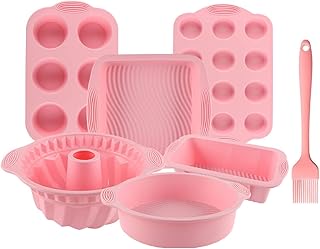
common cake mould blunders that ruin your baking results
Baking a cake can be a delightful experience, but the wrong choice of cake mould can lead to disastrous results. In 2026, it is essential to understand the common blunders that bakers of all levels can make with cake moulds.
Choosing the Wrong Material
One of the most significant mistakes is selecting the wrong material for your cake mould. Metal moulds conduct heat well, making them ideal for even baking. However, if you opt for glass or ceramic, be aware that these materials can lead to uneven baking. Always check the recipe to see if it specifies a type of mould, as some cakes require specific materials to achieve the desired textures.
Not Preparing the Mould Properly
Failing to prepare your mould can result in cakes that stick, crumble, or break apart. Always grease your mould before pouring in the batter. You can use butter, oil, or non-stick spray, and for added assurance, dust it lightly with flour or cocoa powder, depending on your cake type. This extra step ensures that your cake will release easily when it's time to remove it.
Ignoring the Size of the Mould
Using a mould that is too small or too large can drastically affect your baking results. If the mould is too small, the batter may overflow, creating a messy oven. On the other hand, a large mould may result in a flat cake. Always measure your batter and ensure you use a mould that is appropriate for the volume. If a recipe calls for a specific size, stick to it for the best results.
People Also Look For:
- GALPADA Aluminum Alloy Cake Pan Nonstick Number Mold for Baking Birthday Anniversary Party Heat Conductive Cake Mould Easy Clean a...
- Votvlog Dinosaur Cake Mould Silicone Chocolate Cake Mould Dinosaur Baking Pan 3D Dinosaur Silicone Mold Birthday Mold for Kids, Bl...
- 2 Pcs Cake Smoother, Cake Decorating Tools, Icing Smoother, Fondant Tools, Flat Edge Cake Smoother,Fondant Cake Smoother Polisher ...
- SAFIGLE Cake Pan Aluminum Alloy Non-Stick Baking Mold for Even Heat Distribution and High Temperature Resistance Easy Clean Number...
- MAGICLULU Number 3 Cake Mould Tin Aluminum Bakeware 31.8x20.2x4.9cm Nonstick Metal Number Cake Pan for Birthday Party Baking DIY
Overfilling the Mould
Even if you have the right size mould, overfilling can also lead to problems. A good rule of thumb is to fill the mould no more than two-thirds full. This allowance gives the cake room to rise without spilling over the edges. If you have leftover batter, consider making a few cupcake portions or a mini cake.
Not Considering the Cake's Shape
Some cakes require specific mould shapes to achieve their unique designs. For example, layer cakes often benefit from round moulds, while loaf cakes are best suited to rectangular moulds. Ignoring the shape can lead to uneven baking and issues with frosting and stacking. Make sure to choose the mould that complements the cake style you are making.
Using Cold Ingredients
When pouring batter into your mould, ensure that your ingredients are at room temperature. Cold eggs and butter can create a batter that doesn’t rise properly, leading to a dense cake. Allow your ingredients to sit out for about 30 minutes before mixing them together. This simple step can make a noticeable difference in the texture of your cake.
Not Checking for Doneness
After baking, it is crucial to check your cake for doneness. Relying solely on the timer can lead to undercooked or overcooked cakes. Perform the toothpick test by inserting a toothpick into the centre of the cake. If it comes out clean or with a few moist crumbs, the cake is done. If not, give it a few more minutes in the oven.
Neglecting Cooling Time
Patience is key when it comes to cooling your cake. Removing it from the mould too soon can cause it to collapse. Allow the cake to cool in the mould for about 10 to 15 minutes before transferring it to a wire rack. This resting period helps maintain the cake structure and prevents crumbling.
Using Old Moulds
Lastly, be wary of using old, scratched, or damaged moulds. Worn-out moulds can cause uneven baking and sticking, impacting the final outcome. If you notice significant wear and tear, consider investing in new, high-quality moulds to elevate your baking experience.